
安全培训是提高热力企业员工安全意识和技能的重要措施,本次培训旨在普及安全知识,增强员工对设备操作和应急措施的理解与掌握,确保热力企业运行安全,培训内容涵盖基本安全知识、设备操作规范和应急措施,重点培养员工的安全意识和应急能力,通过培训,员工将能够更好地应对突发事件,保障热力企业的安全运行。
- The Importance of Heating Safety Training
- The Content of Heating Safety Training
- The Implementation of Heating Safety Training
- Challenges and Improvements in Heating Safety Training
heating enterprise safety training: safeguarding heating safety
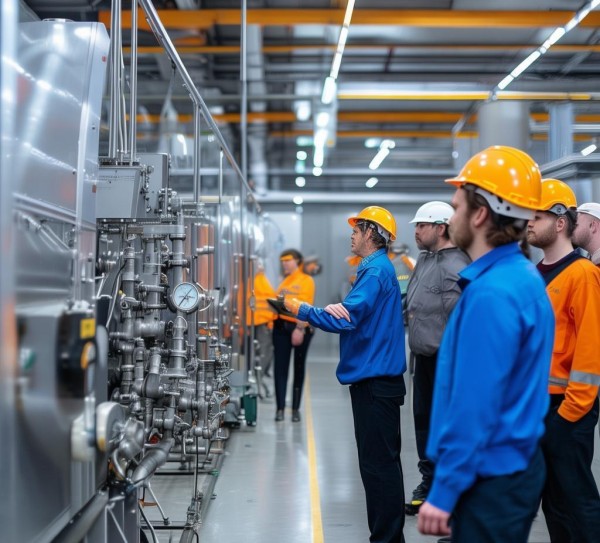
As the heating industry continues to grow, the safety standards of heating facilities have also become increasingly stringent. With the increasing complexity of heating systems and the growing number of customers, the risk of accidents and incidents has also increased. Through these safety training programs, employees receive comprehensive training in safety practices, emergency response procedures, and the use of safety equipment.
The Importance of Heating Safety Training
Firstly, heating safety training is a critical measure for safeguarding heating safety. As the industry grows, the risk of accidents and incidents increases, necessitating robust safety training programs. These programs aim to enhance the awareness and skills of employees, ensuring that heating systems operate safely and efficiently.
The Content of Heating Safety Training
The training programs cover a wide range of topics, including basic safety principles, emergency procedures for common causes of incidents, and the use of safety equipment. Employees are taught how to identify and handle potential hazards, maintain safe working conditions, and prevent accidents. These skills are essential for the safe operation of heating systems and contribute to the overall safety and efficiency of the industry.
The Implementation of Heating Safety Training
To ensure the effectiveness of heating safety training, the training programs are carried out in a variety of settings, including on-site workshops and through online courses. The training sessions are designed to be interactive and practical, allowing employees to apply what they have learned in real-world scenarios. Additionally, the programs are coordinated with other safety measures, such as inspections and audits, to ensure a comprehensive approach to safety management.
Challenges and Improvements in Heating Safety Training
Despite the efforts to improve heating safety training, there are still challenges to address. For example, the frequency and availability of training sessions may not meet the needs of all employees, and some employees may struggle to fully understand the training material. To address these issues, the training programs are continuously being refined, with a focus on making them more effective and relevant to the needs of the heating industry.
In conclusion, heating safety training is a vital component of ensuring the safe operation of heating systems. Through comprehensive training programs, employees are equipped with the knowledge and skills necessary to operate safely and efficiently. As the heating industry continues to grow, it is essential to invest in and improve these training initiatives to ensure the safety of all involved parties.