
惠东管理培训:战略增长的全面指南 ,惠东提供了系统化的管理培训课程,旨在帮助团队提升战略增长能力,通过学习战略管理和数据分析方法,员工可以优化战略方向、提升团队效率并推动创新,培训涵盖战略规划、目标设定、目标实现、持续改进和战略执行等关键环节,帮助企业实现长期发展,该培训旨在提升团队竞争力,优化企业战略方向,推动企业的持续创新与发展。
- The Importance of Management Training in惠东
- The Structure of Management Training in惠东
- The Effectiveness of Management Training in惠东
- Conclusion
In an era where competition is fierce and opportunities are abundant, the management of a business in a region like惠东 requires a strategic mindset and a robust set of skills. With the increasing complexity of modern business models and the need to adapt to changing market conditions, effective management training is essential for businesses to thrive. In this article, we delve into the concept of management training and explore how it can be structured to drive strategic growth for businesses in the region.
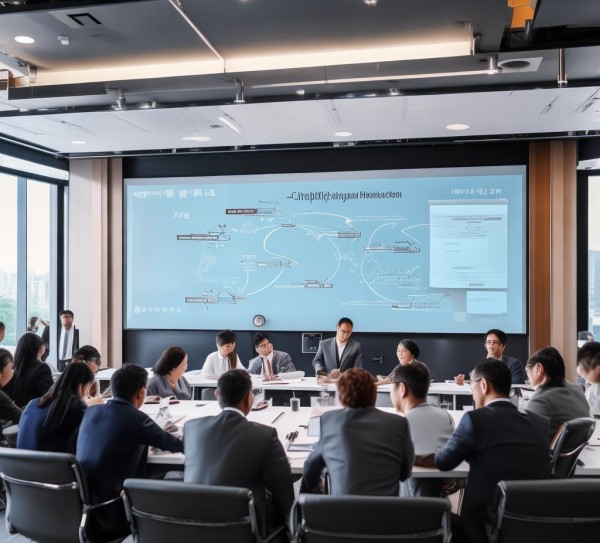
The Importance of Management Training in惠东
The business landscape in惠东 is dynamic, characterized by rapid technological advancements, global trends, and a growing emphasis on innovation. While many businesses in the region already operate in a competitive environment, the need for continuous improvement and strategic adaptation is more pronounced. Management training is the cornerstone of any organization's ability to thrive in such a competitive landscape. In惠东, this training is particularly vital, as the region is known for its innovation and high-quality industries.
The Structure of Management Training in惠东
Effective management training in惠东 should be comprehensive and holistic. It should cover a range of areas, from foundational business theory to practical skills, ensuring that employees are equipped with the knowledge and tools to lead their organizations effectively. The training should be designed to cater to both new and experienced managers, providing them with the necessary skills to operationalize strategic goals and drive business success.
a. Theoretical Foundation
The theoretical foundation of management training is crucial for building a strong base of knowledge. In惠东, the training should focus on core business principles such as:
- Strategic Management: Understanding the long-term goals of an organization and how to align business decisions with these goals.
- Organizational Behavior: yzing how employees behave in different organizational settings and how to influence their behavior for organizational success.
- Management Science: Learning about the use of scientific methods to improve decision-making, such as project management, forecasting, and resource allocation.
b. Practical Application
The practical application phase of management training is equally important. In惠东, the focus should be on equipping managers with the ability to apply theoretical knowledge to real-world situations. This includes:
- Business ysis: Learning how to yze business problems, identify root causes, and propose solutions.
- Decision-Making Simulation: Practicing decision-making scenarios in simulated environments to improve judgment and decision-making skills.
- Project Management: Gaining hands-on experience in managing projects, from planning and scheng to execution and monitoring.
c. Leadership and Team Development
Leadership is a critical component of management training in惠东. The training should focus on developing leaders who are not only skilled in their roles but also具备 strong communication, leadership, and motivational attributes. This includes:
- Communication Skills: Teaching how to communicate effectively with diverse teams, including employees, management, and stakeholders.
- Leadership Skills: Developing the ability to inspire and guide teams towards shared goals, manage conflicts, and foster a positive work environment.
- Team Building: Enhancing the ability to build and develop strong, motivated teams that can work collectively to achieve organizational success.
d. Cultural and Organizational Development
Additional to practical skills, management training in惠东 should also focus on cultural and organizational development. This includes:
- Cultural Competence: Understanding the cultural norms and values of the organization and how they influence decision-making and behavior.
- Organizational Culture: Developing the ability to create and maintain a positive, inclusive, and productive organizational culture that aligns with the organization's strategic goals.
The Effectiveness of Management Training in惠东
The effectiveness of management training in惠东 depends on several factors. First, the alignment of training content with the organization's strategic goals is crucial. If the training focuses on areas that are relevant to the organization's current challenges and opportunities, employees are more likely to be motivated and committed to learning.
Second, the quality of training materials and delivery methods plays a significant role. Training should be delivered in a way that is engaging, interactive, and relevant to the employees' daily lives. This can include the use of case studies, simulations, and real-world examples to illustrate key concepts.
Third, the ability of managers to apply the learned skills in real-world situations is essential. This requires not only theoretical knowledge but also practical experience. The training should include opportunities for managers to work in different settings, whether in the office, on the job, or in a project.
Finally, the feedback and support provided to managers during training is equally important. Regular feedback sessions can help identify areas for improvement and provide guidance on how to enhance the training content and delivery.
Conclusion
In the competitive world of惠东, management training is not just about imparting knowledge but also about helping employees grow into successful leaders who can drive business success. The training should be comprehensive, holistic, and tailored to the specific needs of the organization. By equipping managers with the necessary skills and knowledge, the training can help惠东 businesses thrive in a dynamic and ever-changing market environment.
In conclusion, management training in惠东 is a vital component of the organization's success story. By focusing on a combination of theoretical knowledge, practical skills, and cultural development, the training can help employees become effective leaders and drive business growth.
标签: #系统化培训解决方案 #惠东管理培训与战略发展